Jump to content

Grail Pen Acquired—Vintage Wahl-Eversharp Decoband


sightsome

Recommended Posts

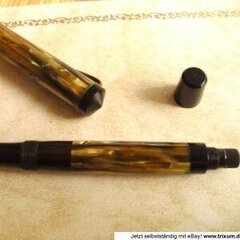
I acquired my first serious grail pen; one that someone else will acquire only by prying it from my cold dead fingers. The Decoband black and pearl goldseal with a flexible nib. Not only is this my first real grail pen, it is also my first vintage flex nib.


So, I have some questions for you experts.


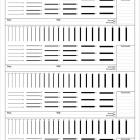
1. The nib is marked M, but it writes like an extra fine without any pressure. I love this, but I do find it a bit confusing. Did WE mean an M with some slight pressure applied?


2. The nib is a bit more scratchy than I would normally like, but that is so mostly only when I apply a little pressure. Is this normal for vintage flex, or would I do well to take this to a nibmeister to see what they might do to smooth it out?


3. Would it be heresy to have a nibmiester tune the flow to be a little wetter when no pressure is applied? To open it up a bit more?


4. When I rotate the pen when it is horizontal to the floor, I can feel something shifting inside the barrel of the pen. Is that the level mechanism? I mean, it doesnt really bother me, but I am curious.


5. Would I be crazy to try to unscrew the nib unit on this? It is supposed to have the personal point nib unit. And on the modern Decoband, this is a useful feature for cleaningunscrewing the nib unit to really flush out the inside. Could I do the same for this?


6. Is there any special maintenance that I should do with this pen to keep it pristine, besides the normal steps of properly storing it when not in use and flushing it out about once a month when it is in use?


7. There are two tiny holes drilled on either side of the cap. Is this the warranty-voiding that people talk about? Or is it something else, something put in there from the start? If the latter, what is the purpose of it?


8. Any other advice?


Best,

Chad, the proud new owner of a vintage Decoband and one likely not to buy new pens again for a long timeI mean, really, these vintage WEs are amazing!

post-110854-0-51693500-1573247593_thumb.jpeg

post-110854-0-14277300-1573247603_thumb.jpeg

post-110854-0-07782700-1573247730_thumb.jpeg

Edited by sightsome
Link to comment
Share on other sites

  • Replies 14
  • Created
  • Last Reply

Top Posters In This Topic

  • sightsome

    6

  • FrozenPen

    3

  • SchaumburgSwan

    2

  • Addertooth

    1

First, congratulations! That's one fine good looking specimen.

>> 2. The nib is a bit more scratchy than I would normally like, but that is so mostly only when I apply a little pressure. Is this normal for vintage flex, or would I do well to take this to a nibmeister to see what they might do to smooth it out?

"scratchy" is relative and if it's not to your liking and you plan on using it then by all means get a nibmeister to tune it up. All the better if you can be there in person to sample it while the tuning is being done. Pen shows are a good place for this.

>> 3. Would it be heresy to have a nibmiester tune the flow to be a little wetter when no pressure is applied? To open it up a bit more?

See #2

5. Would I be crazy to try to unscrew the nib unit on this? It is supposed to have the personal point nib unit. And on the modern Decoband, this is a useful feature for cleaning / unscrewing the nib unit to really flush out the inside. Could I do the same for this?

You could but if it ain't broke don't fix it especially on such a dear vintage pen.


6. Is there any special maintenance that I should do with this pen to keep it pristine, besides the normal steps of properly storing it when not in use and flushing it out about once a month when it is in use?

Keep it out of the sun. Cool, dry, and consistent conditions are best.

7. There are two tiny holes drilled on either side of the cap. Is this the warranty-voiding that people talk about? Or is it something else, something put in there from the start? If the latter, what is the purpose of it?

Those two holes are breather holes / vents. From the Marshall / Oldfield Pen Repair book -

"When a cap without a vent is pushed on it can create a pressure which may cause the ink to leak out when used again. To preclude this the outer caps were vented usually with two holes below the level of the inner cap. These reduce any overpressure to 'vacuum' ink out when a pen is uncapped. The vents also reduce the possibility of condensation on the section so it is important to ensure that these vent holes are clear."


The warranty-voiding hole is drilled through the gold seal on the cap. Yours appears non-drilled. Yay! Some say there is little value difference between drilled / non-drilled - but I'd think intact is always better.

8. Any other advice?

Enjoy it.

Edited by FrozenPen
Link to comment
Share on other sites

Dear sightsome,


gratulations to that great pen, a real beauty!


From my experience restoring Mabie Todd EF and F flex nibs, they shouldn't be scatchy if pressure is given downstrokes only...


With your nib I would do two things first:


1. Check the alignment of the tines using a loupe (10x eg). Look from the front and under a 45° angle from the downside. A problem here would usually cause scratchyness when writing unflexed.


2. Check for misrotation of the tines.

Sometimes you can see it when looking at the tipping from the front with the loupe, the slit forms a litle "Grand Canyon" on top. This causes a dryer writing unflexed (as you describe!).


I've seen nibs that write smoothly unflexed but get scratchy when flexed. Here the misrotation gets "autocorrected" by the pressure between the tines if no flex is applied. With flex the misrotation makes it write scratchy...


I would test/ look (loupe) at the tipping from the front while giving a bit of pressure using two fingers from up and downside of the nib where it is in contact with the feed...

So the tines seperate a little and you can see if misrotation takes place.


I hope that helps to analyse the problem - if you can fix it yourself depends on your skills... some vintage EFs are a bit delicate...

If you are not sure a nibmeister is your friend.


Best

Jens


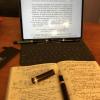
Btw, You are writing on a smooth paper like Clairefontaine?

Edited by SchaumburgSwan

.....................................................................................................

https://www.flickr.com/photos/136145166@N02/albums

Link to comment
Share on other sites

Dear sightsome,


gratulations to that great pen, a real beauty!


From my experience restoring Mabie Todd EF and F flex nibs, they shouldn't be scatchy if pressure is given downstrokes only...


With your nib I would do two things first:


1. Check the alignment of the tines using a loupe (10x eg). Look from the front and under a 45° angle from the downside. A problem here would usually cause scratchyness when writing unflexed.


2. Check for misrotation of the tines.

Sometimes you can see it when looking at the tipping from the front with the loupe, the slit forms a litle "Grand Canyon" on top. This causes a dryer writing unflexed (as you describe!).


I've seen nibs that write smoothly unflexed but get scratchy when flexed. Here the misrotation gets "autocorrected" by the pressure between the tines if no flex is applied. With flex the misrotation makes it write scratchy...


I would test/ look (loupe) at the tipping from the front while giving a bit of pressure using two fingers from up and downside of the nib where it is in contact with the feed...


I hope that helps to analyse the problem - if you can fix it yourself depends on your skills... If you are not sure a nibmeister is your friend.


Best

Jens


Btw, You are writing on a smooth paper like Clairefontaine?

Vielen dank, Jens, für Ihre gute Beratung! Ich kann mich nicht trauen, ein so kostbares Instrument zu stimmen (ist das das richtige Wort?). Ein nibmeister ist definitiv in ordnung!


Und, natürlich, benutze ich Clairfontaine.

Link to comment
Share on other sites

First, congratulations! That's one fine good looking specimen.

>> 2. The nib is a bit more scratchy than I would normally like, but that is so mostly only when I apply a little pressure. Is this normal for vintage flex, or would I do well to take this to a nibmeister to see what they might do to smooth it out?

"scratchy" is relative and if it's not to your liking and you plan on using it then by all means get a nibmeister to tune it up. All the better if you can be there in person to sample it while the tuning is being done. Pen shows are a good place for this.


>> 3. Would it be heresy to have a nibmiester tune the flow to be a little wetter when no pressure is applied? To open it up a bit more?

See #2


5. Would I be crazy to try to unscrew the nib unit on this? It is supposed to have the personal point nib unit. And on the modern Decoband, this is a useful feature for cleaning / unscrewing the nib unit to really flush out the inside. Could I do the same for this?

You could but if it ain't broke don't fix it especially on such a dear vintage pen.


6. Is there any special maintenance that I should do with this pen to keep it pristine, besides the normal steps of properly storing it when not in use and flushing it out about once a month when it is in use?

Keep it out of the sun. Cool, dry, and consistent conditions are best.


7. There are two tiny holes drilled on either side of the cap. Is this the warranty-voiding that people talk about? Or is it something else, something put in there from the start? If the latter, what is the purpose of it?

Those two holes are breather holes / vents. From the Marshall / Oldfield Pen Repair book -

"When a cap without a vent is pushed on it can create a pressure which may cause the ink to leak out when used again. To preclude this the outer caps were vented usually with two holes below the level of the inner cap. These reduce any overpressure to 'vacuum' ink out when a pen is uncapped. The vents also reduce the possibility of condensation on the section so it is important to ensure that these vent holes are clear."


The warranty-voiding hole is drilled through the gold seal on the cap. Yours appears non-drilled. Yay! Some say there is little value difference between drilled / non-drilled - but I'd think intact is always better.


8. Any other advice?

Enjoy it.


Thanks! Very interesting. The new WE also has a bladder. But I wonder if it is harder or if the chilton filler prevents the pressure imbalances?

Link to comment
Share on other sites

Vielen dank, Jens, für Ihre gute Beratung! Ich kann mich nicht trauen, ein so kostbares Instrument zu stimmen (ist das das richtige Wort?). Ein nibmeister ist definitiv in ordnung!


Und, natürlich, benutze ich Clairfontaine.


Da nicht für! (north german for "You're welcome")


Yes, " das Instrument stimmen" is the correct term - bringing a fine flex nib back into optimal shape reminds indeed to tuning a music instrument... luckily nibs are less sensible to temperature and humidity! ;-)


Anyway, you may have noticed that I didn't say a word about polishing the tipping, please don't try it at this stage... You might turn the EF into a F with "baby bottom" issues. A mistake I made in the beginning on cheaper nibs.

In some cases pitting on the contact surface causes rough writing... but this has to be checked under a strong loupe or microscope first, so my opinion.


Best wishes

Jens

Edited by SchaumburgSwan

.....................................................................................................

https://www.flickr.com/photos/136145166@N02/albums

Link to comment
Share on other sites

Beautiful pen! Congrats!

PAKMAN

minibanner.gif                                    

        My Favorite Pen Restorer                                            


Link to comment
Share on other sites

>> The new WE also has a bladder. But I wonder if it is harder or if the chilton filler prevents the pressure imbalances?

Bladders are bladders and will have no impact on how the pressure differential is created. The cap vents are in the space between the threads and the inner cap.

Link to comment
Share on other sites

>> The new WE also has a bladder. But I wonder if it is harder or if the chilton filler prevents the pressure imbalances?

Bladders are bladders and will have no impact on how the pressure differential is created. The cap vents are in the space between the threads and the inner cap.

Right, but my question was: why dont modern pens that use a bladder still drill a vent hole?

Link to comment
Share on other sites

First the facts:

The vent holes originated in the early slip cap pens. The early straight cap that fits on the section would certainly generate suction removing it, and cause ink to blob out the nib. The cap is straight, and so is the section. There is a several mm range of the two in contact with each other.


Next, the slip on cone cap would likely do the same, but with the slightly conical inside of the cap and conical shape of the section, less suction would be generated. Holes were still a good idea, but not quite as necessary


My opinion/belief:

I would posit that there was no need for the holes in any screw cap pen. The threads aren't there for an air tight seal. The threads pull the inner cap to sit tightly on the end of the section. The seal is basically end to end (inner cap to section). No suction should be generated when the cap is unscrewed.


The holes on screw cap pens are always below the bottom of the inner cap. Otherwise, the pens would leak ink. Original screw cap pens were called "Safety pens" as they could never leak ink, but only leak into the inner cap that is sealed to the section. The holes are there, in theory, to help equalize the pressure as soon as you start to unscrew the cap. If the threads were a bit air tight, you might create suction unscrewing the cap, but this is pretty unlikely.


My opinion only.....

Edited by Greenie
Link to comment
Share on other sites

Create an account or sign in to comment

You need to be a member in order to leave a comment

Create an account

Sign up for a new account in our community. It's easy!

Register a new account

Sign in

Already have an account? Sign in here.

Sign In Now


×
×
  • Create New...