Jump to content

A 'Stone' celluloid Platinum 3776 with music nib


Idiopathos

Recommended Posts

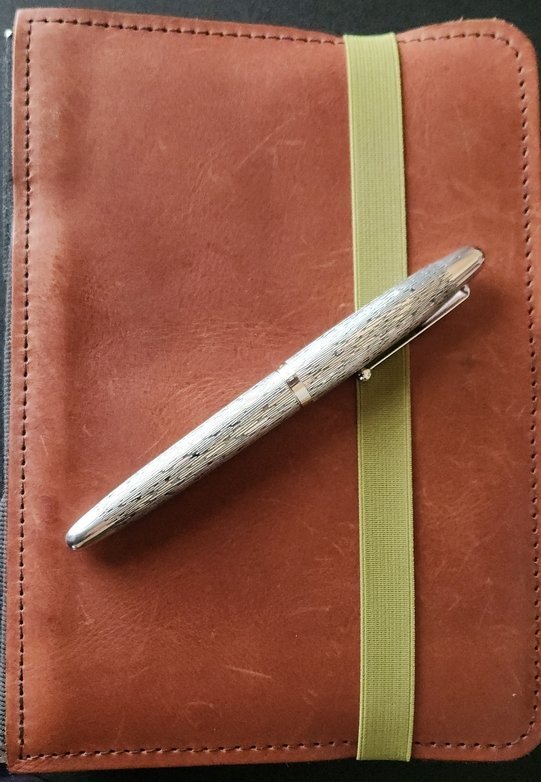
Thanks to Leigh R's 'Koi' review, I bought a 'Stone' celluloid Platinum 3776 with a music nib.


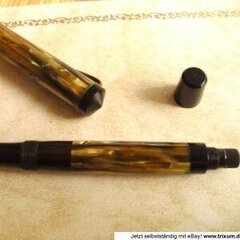
The 'Stone' reflects the 1930s' black & pearl Sheaffer's and others' celluloid. Like a Swan Mabie Todd, for example, it is 'wrapped'. In other words, there are joins along the barrel, the section and the cap, where a sheet of celluloid has been placed around a mandrel and fused at the edges. However, just as on the binde of a Pelikan, the Platinum's celluloid is joined in a straight line and not wrapped like a leaf around a cigar as on a Swan. On the Platinum, the joins, although perfect, don't even think of aligning with each other and I'm still not sure whether I like this or not. The English method is certainly more elegant than the Japanese or the German, if not stronger. The Platinum celluloid itself seems well made, however, and its colours are vibrant and attractive.


The trim looks adequate, although stamped/pressed metal of derivative design with thin gold-plating has little attraction to me and it remains a mystery to me why most manufacturers pay so little attention to this area of pen production. Even very expensive pens have poor quality clips.


Compared to an MB146 or a Sailor 1911, the Platinum seems disproportionate: the cap looks too large for the body. When posted, however, the pen balances very well.


The converter is a good one: decent capacity and an efficient, screw filling mechanism. As good as my Dunhill-Namiki. (Heretical as this may be to say, I am slowly coming round to liking converters.) Part of the converter, however, rattles against the inside of the barrel.


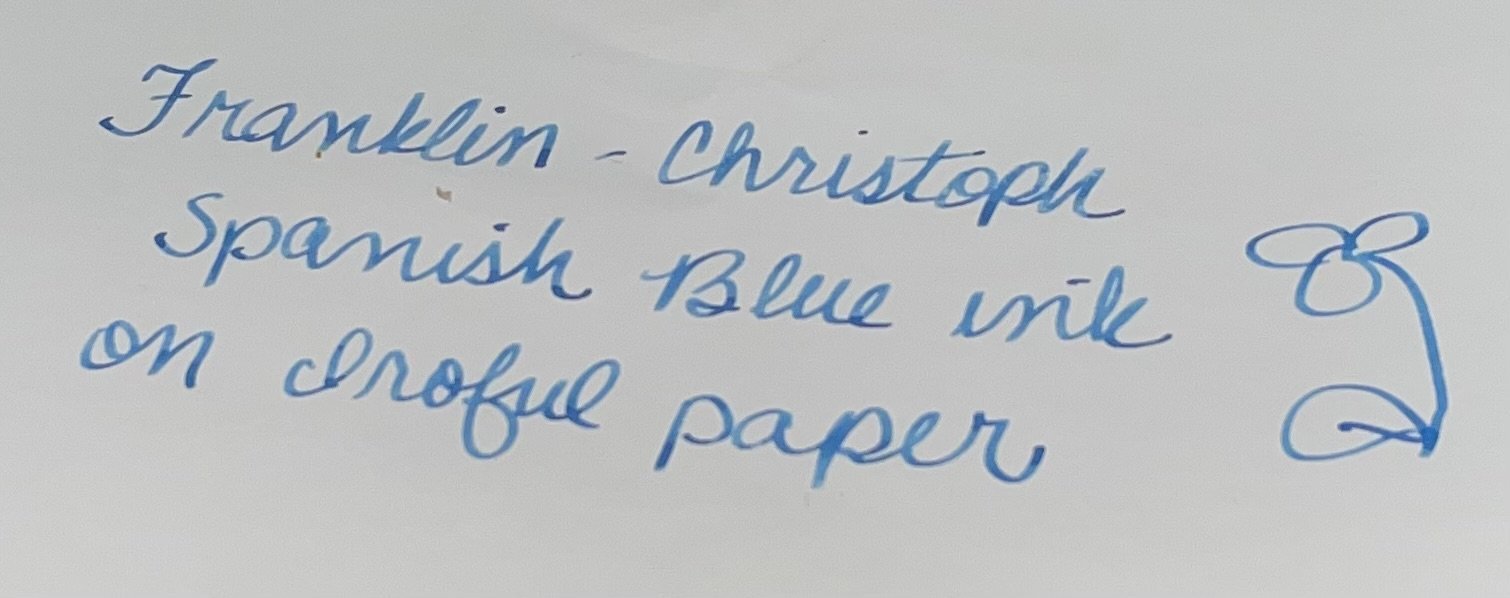
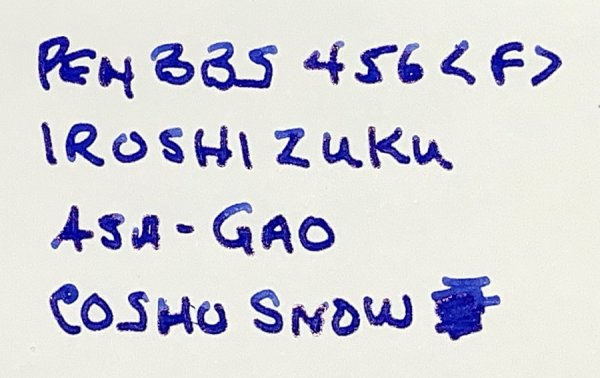
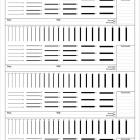
Finally, the nub of the matter. The nib. It is as stiff as ... a very stiff nib. No flex. None. Initially, this really surprised me. A 3-tine nib with no flex? Then I realised ... duh ... it doesn't need to flex, because it has three tines. Therefore, the nib works very well, with almost no pressure. It delivers an evenly saturated broad vertical line and an equally satisfactory fine horizontal line. Inverted, it does the same, although producing a medium line and a finer line. The tip profile is complex and explains this.


Using the pen is enjoyable and I shall keep it, not least because of its balance and the seemingly infinite variety of the nib, which really does work well, as long as you can accommodate the absence of flex.


So, is it a good buy? Well, it's a bit of a curate's egg, but then most pens are, aren't they?

Link to comment
Share on other sites

  • Replies 6
  • Created
  • Last Reply

Top Posters In This Topic

  • Idiopathos

    2

  • DrPJM1

    1

  • Leigh R

    1

  • chibimie

    1

  • 2 months later...

Nice review!


I own the tortoise celluloid Platinum, and the regular (fine) nib is the most springy nib I own. How different according to the type of nib. . . .

Link to comment
Share on other sites

I concur with your impressions, as I have the Tortoise. First, I did not like the celluloid's seam, so I hid it on the side opposite the top of the nib. The simple clip matches the simple shape of the pen and has never failed to grab my shirt's pocket in several years of use. The cap posts perfectly and balances the pen very well. However, the ring leaves something to be desired, as Nakaya's are certainly more ornate. But the nib is a delight to use with its great line variation from vertical to horizontals and the fact that it is never starved for ink. My only regret is the small ink capacity as I end up refilling this pen more often than others.

Pedro


Looking for interesting Sheaffer OS Balance pens

Link to comment
Share on other sites

Thanks for the review. I hope to get a Platinum in the Koi finish sometime, it's just beautiful. It would be fun to try a music nib, too.


Lisa

Love all, trust a few, do wrong to none.


Lisa in Raleigh, NC

Link to comment
Share on other sites

  • 1 year later...

There are two kinds of real celluloid pens (cellulose nitrate). The nicer ones are carved out of a solid rod or bar of celluloid. These are the more costly ones. The other ones are made from a thin sheet of celluloid that is wrapped around a bar and their seam is glued. These are much less expensive to make and the seam makes them not as classy looking. The Platinum pens mentioned above are examples of this second manufacturing method. The Visconti Wall Street and the Omas Celluloid Collection pens are examples of the carved from a solid block style - and their prices reflect it.

Link to comment
Share on other sites

There are two kinds of real celluloid pens (cellulose nitrate). The nicer ones are carved out of a solid rod or bar of celluloid. These are the more costly ones. The other ones are made from a thin sheet of celluloid that is wrapped around a bar and their seam is glued. These are much less expensive to make and the seam makes them not as classy looking. The Platinum pens mentioned above are examples of this second manufacturing method. The Visconti Wall Street and the Omas Celluloid Collection pens are examples of the carved from a solid block style - and their prices reflect it.

Don't forget 'cigar leaf wrapped' celluloids like Swan and Onoto. Or celluloid that is formed over a mandrel. Indeed, there may be many more.


Link to comment
Share on other sites

Create an account or sign in to comment

You need to be a member in order to leave a comment

Create an account

Sign up for a new account in our community. It's easy!

Register a new account

Sign in

Already have an account? Sign in here.

Sign In Now


×
×
  • Create New...